Keeping Cool on Safari: Added Comfort for Botswana’s Warmer Months
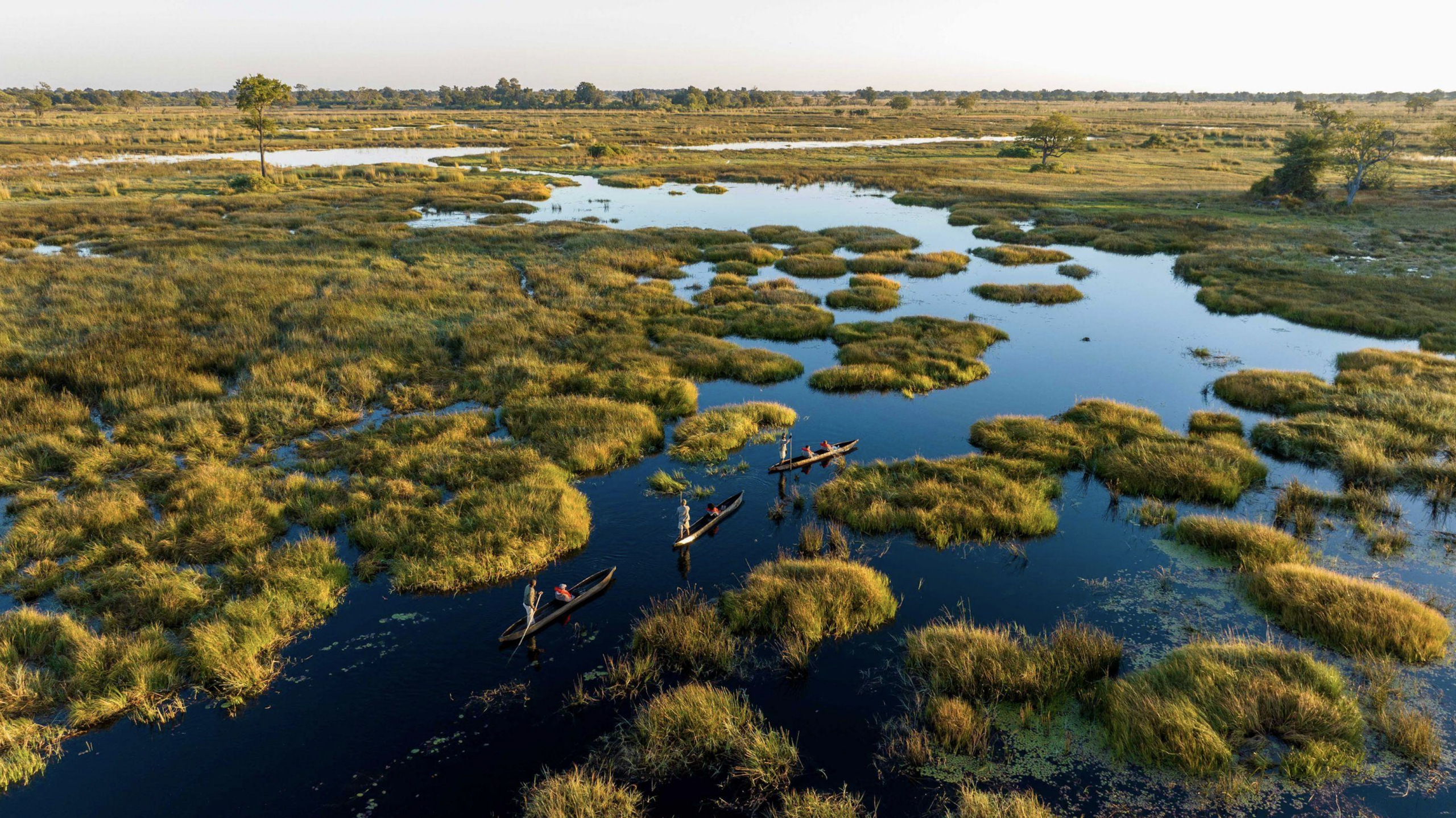
October in Botswana has a character of its own.
As the dry season progresses, the vegetation thins and the landscape becomes increasingly open, water sources take on greater importance and wildlife activity concentrates around the remaining permanent water. It is a fascinating time to be on safari and for many seasoned safari travellers. It is also one of Botswana’s warmer months. For years, this has simply been part of the rhythm of travelling at this time of year. Early mornings are spent out on safari, the middle of the day offers time to slow down at camp, and afternoons lead into evenings back out in the bush.
What is changing is the level of comfort guests can now enjoy in between.
A new Level of Comfort in Camp
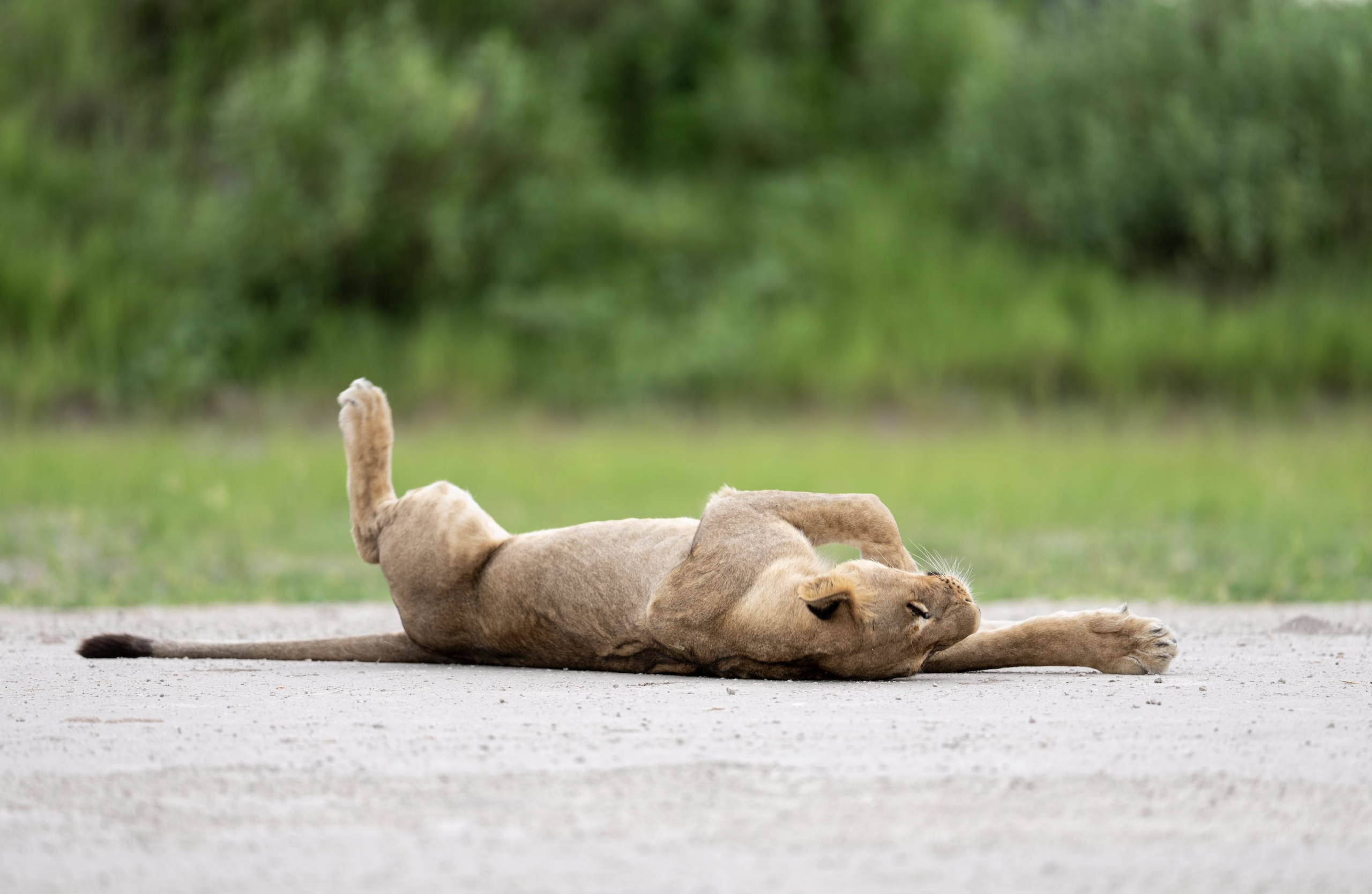
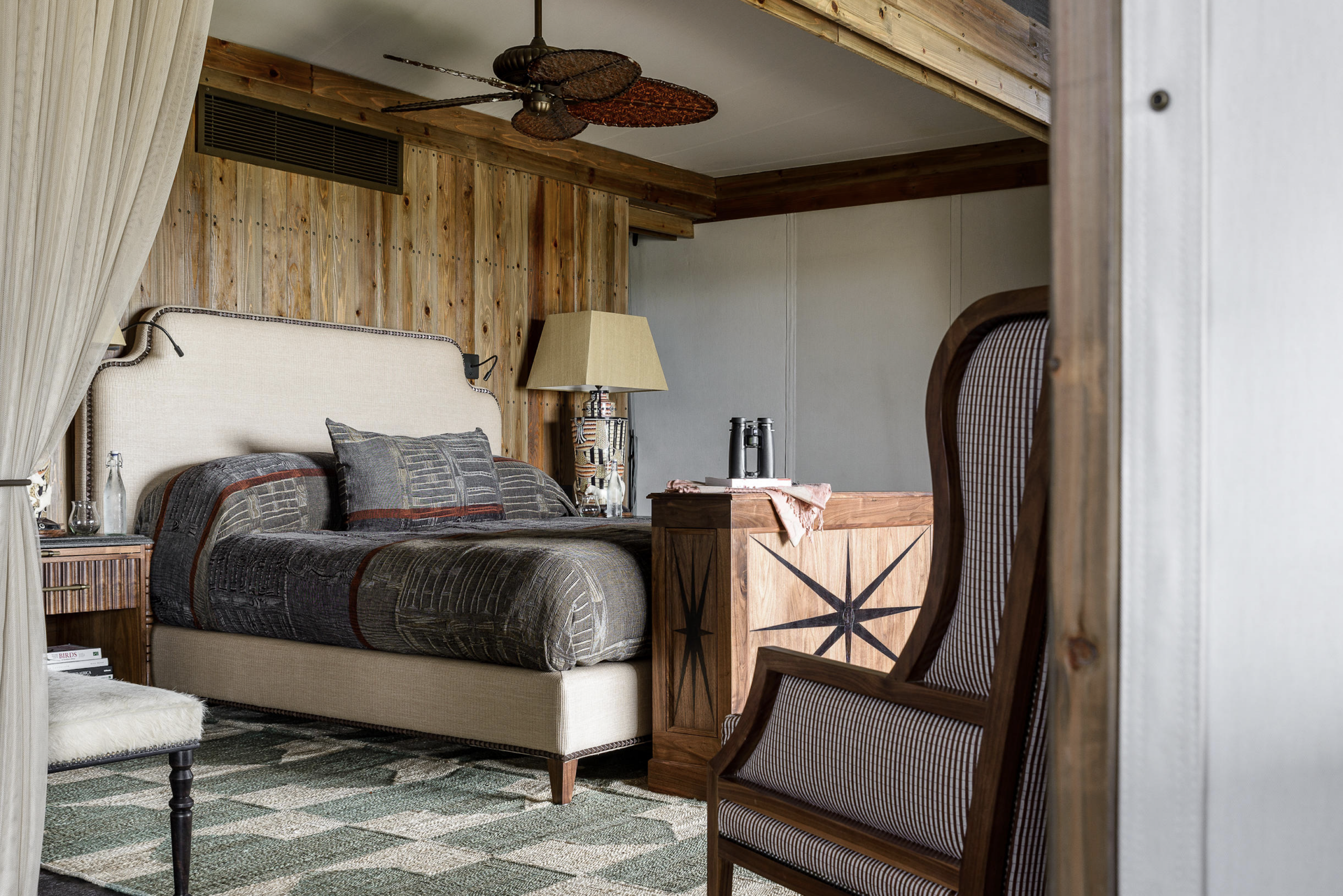
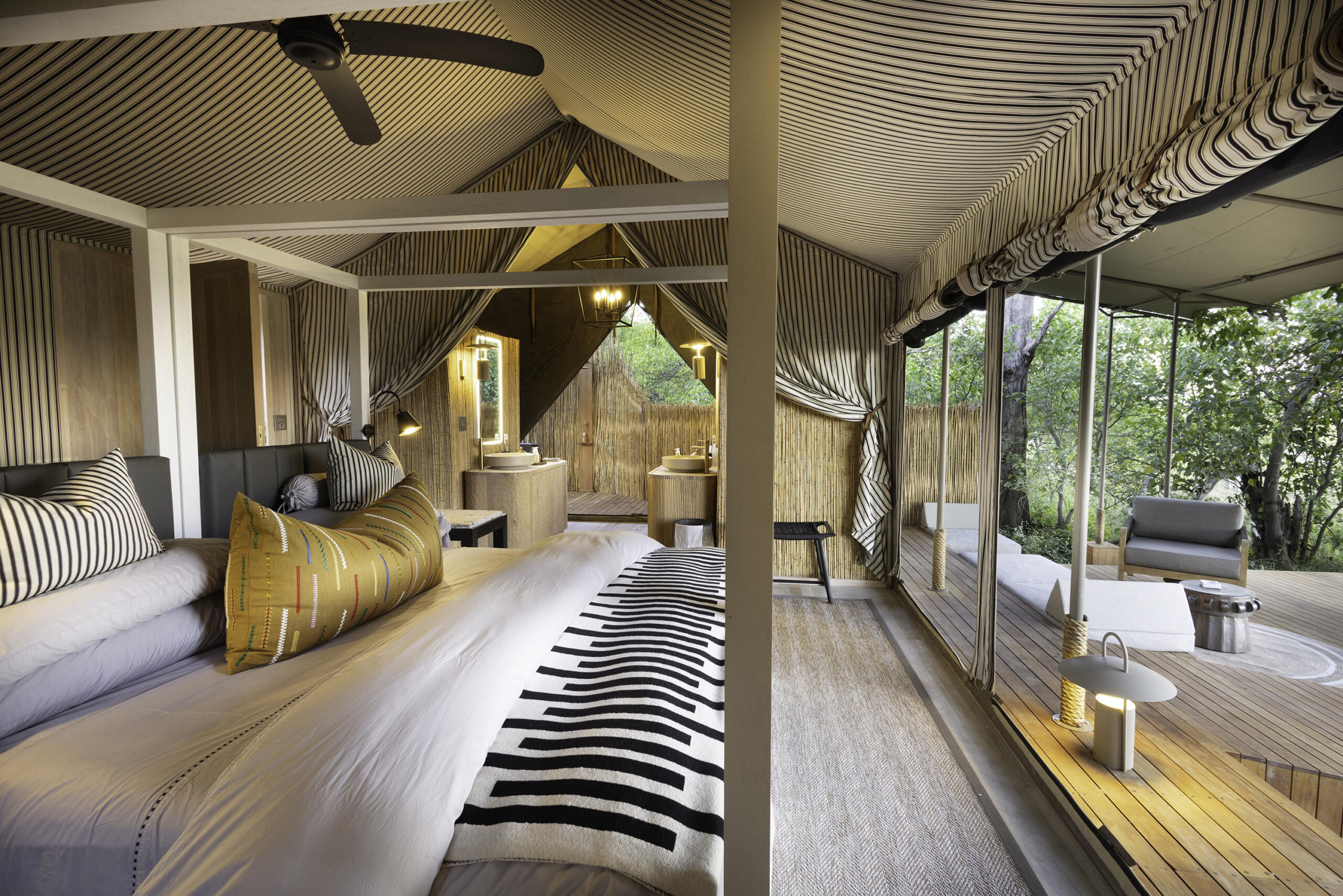
Across Botswana, camps and lodges continue to invest in guest comfort, and one increasingly welcome addition is air conditioning.
We are seeing more guests specifically asking for itineraries that include air conditioned rooms, particularly when travelling during Botswana’s warmer months. The good news is that the choice is growing, with air conditioned accommodation now available across a number of Botswana’s key safari regions.
In Victoria Falls and Chobe, air conditioning is already widely available, while an increasing number of camps in the Linyanti, Savuti, Okavango Delta, Khwai and Makgadikgadi regions now offer air conditioned rooms too.
Machaba Safaris is among the operators investing in this added comfort. Air conditioning installations at Gomoti Plains, Kiri Camp and Monachira Camp are currently underway and on track for completion by the end of September 2026.
The addition of air conditioning is particularly welcome for guests travelling in October and the warmer months that follow. After an early morning game drive, guests can return to camp for lunch and enjoy a cool, comfortable room during the middle of the day, before heading out again as the afternoon temperatures begin to ease.
As more camps across Botswana introduce air conditioning, there is also greater choice for travellers who value this additional level of comfort. Our Botswana team keeps up to date with these developments and can recommend properties and itineraries that combine the safari experience guests are looking for with the level of comfort that suits them.
Botswana’s Warmer Months: More Reasons to Travel from October to April
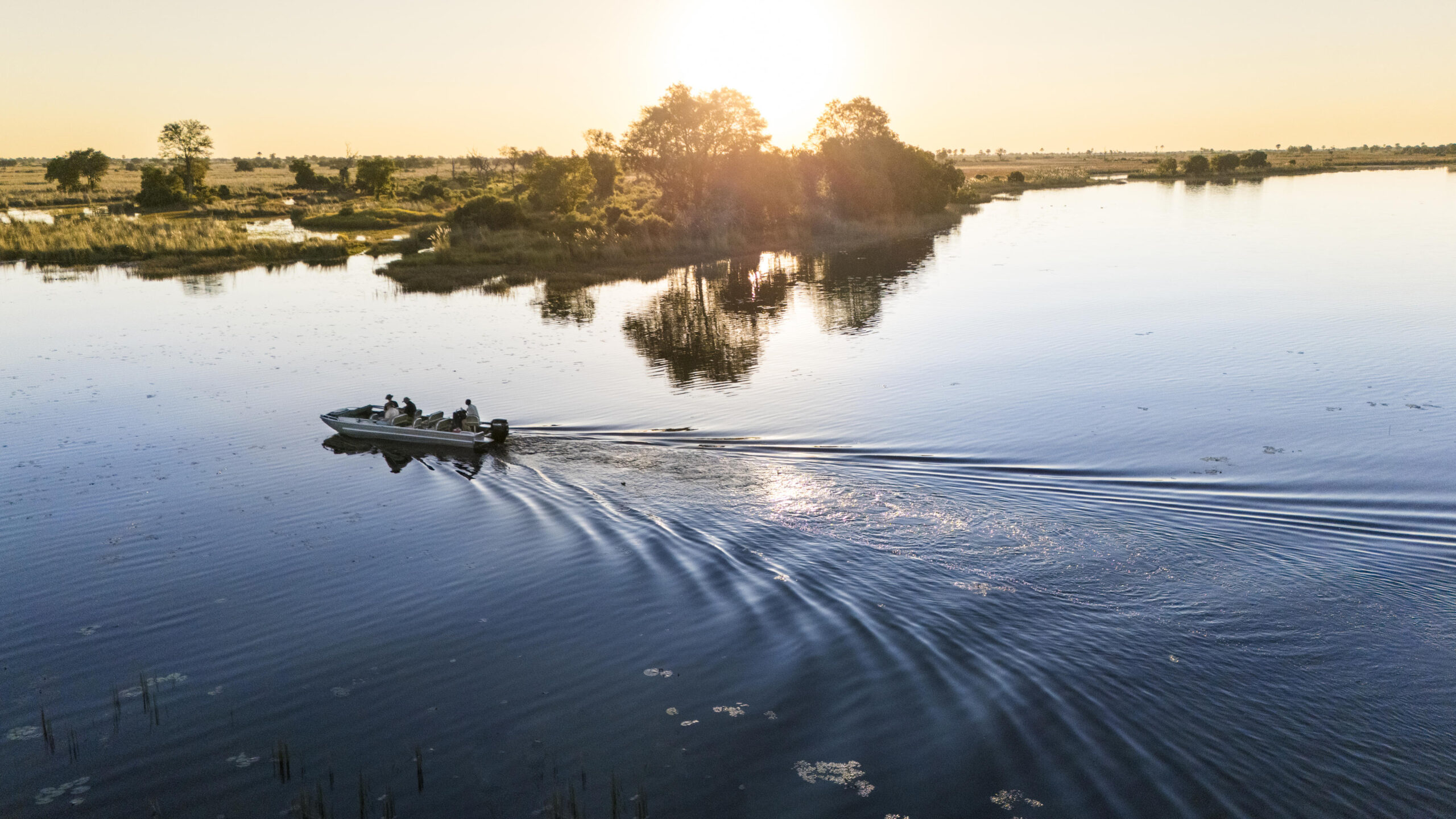
For those who know Botswana well, October and the summer months from November to mid-April each bring their own character to the safari experience. October traditionally offers strong wildlife viewing as the dry season reaches its peak, while the arrival of the summer rains brings fresh vegetation, seasonal wildlife activity and prolific birdlife. This year, following a good green season and with encouraging water levels in the Okavango Delta, the transition from October into November could be particularly rewarding, with the possibility of water-based activities continuing later into the year. Add fewer vehicles in many areas, attractive seasonal rates and continued improvements in camp comfort, and there are good reasons to look beyond the traditional peak season. For travellers with some flexibility, considering current conditions on the ground rather than relying solely on set seasonal boundaries can open up some excellent opportunities.
More Value, More Time
The summer months can also offer greater flexibility when it comes to how an itinerary is structured. Shoulder season rates, special offers and long-stay discounts at selected camps can give clients the opportunity to spend more time in each area, combine different regions or simply enjoy a slower pace of travel.
Rather than looking at seasonal rates purely as a saving, we see them as an opportunity to get more from the journey. An extra night in camp can mean more time with the same guiding team, a better understanding of an area and less pressure to move quickly from one property to the next.
For repeat safari travellers in particular, this can be a very appealing way to experience Botswana: more time in each place, greater flexibility in the itinerary and excellent value during a season that has plenty of its own rewards.
The Summer Months Bring a Different Botswana
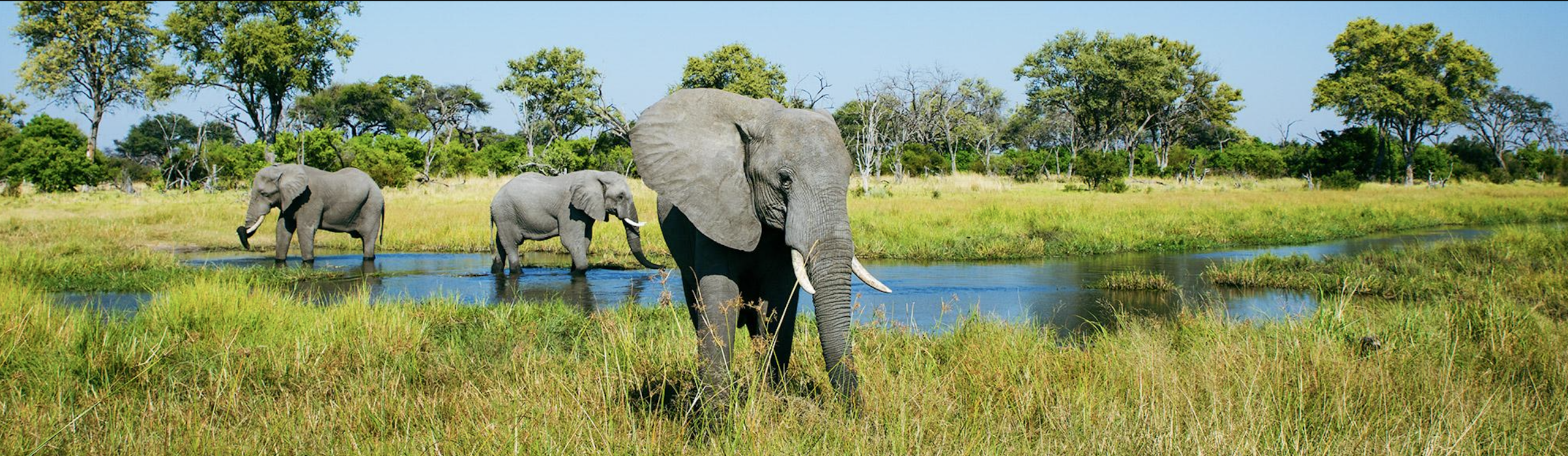
From November through to mid-April, the arrival of the rains brings a noticeable change across Botswana. The landscape turns green, migratory birds arrive, many species give birth and the bush takes on a completely different character.
Wildlife does not disappear with the rains. Its movements simply change, creating different opportunities for guides and guests who are prepared to explore. For repeat visitors who have experienced Botswana during the classic dry season, this can be a particularly rewarding time to return and discover another side of the destination. Photographers will also find plenty to work with, from rich green landscapes and dramatic skies to the beautiful light that often follows a summer storm.
Our team has always had a particular appreciation for this time of year. Wildlife sightings can be excellent and the longer summer days allow for earlier starts and later finishes, giving guests more time out on safari. Combined with the quieter feel of the season and the growing number of camps introducing cooling systems and air conditioning, there are plenty of reasons to consider Botswana beyond the traditional peak months.
If you are curious about travelling during October or the green season, speak to your dedicated consultant about current specials, seasonal conditions and the camps offering air-conditioned accommodation.

Posted by
Carina
Where there are storms, there are clouds
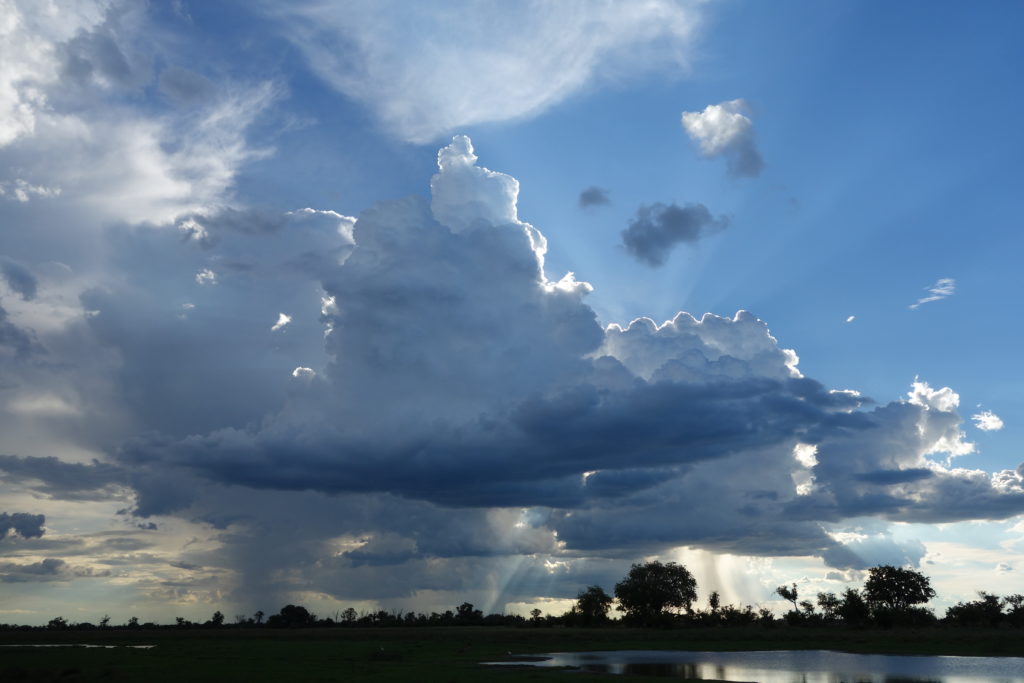
Botswana is known for her incredible skies, huge impressive clouds often build up all day for a short, late afternoon thunderstorm. Not only does this welcome ‘pula’ (the Setswana word for rain in Botswana), the rain also washes the air clear of dust, making for crisp afternoon game-drive photos.
Sunrises and sunsets are especially beautiful as the sky turns gold, pink, red and every colour in between, lighting up the clouds dramatically and creating more spectacular photo opportunities.
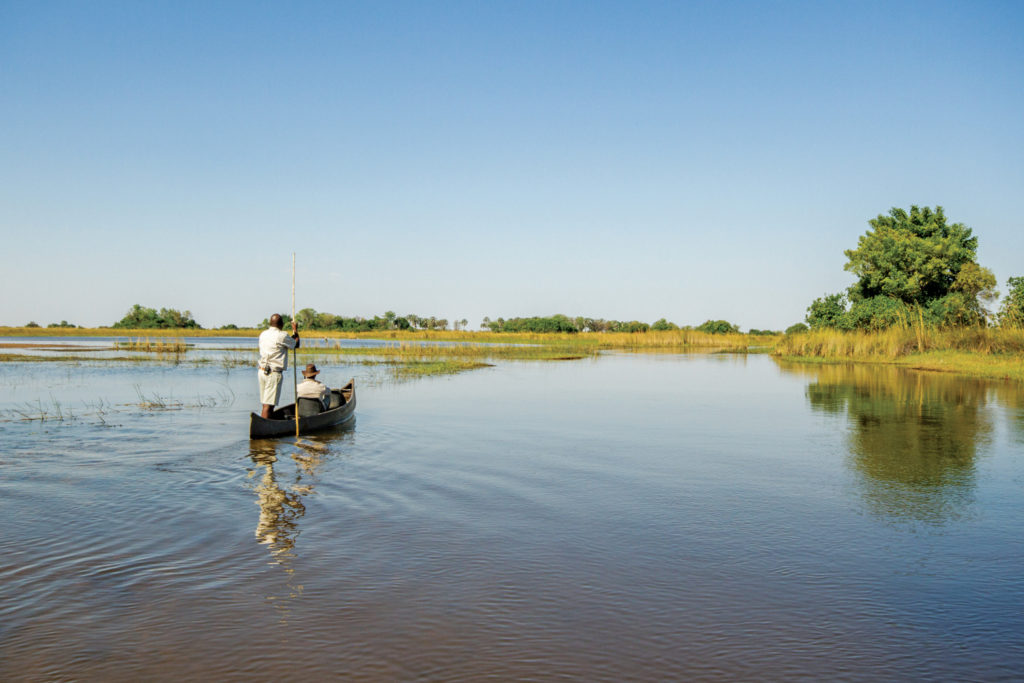
Pula is so precious that our money is named after it (and we also use it as a good fortune toast during drinks with friends). It is so special to us, as it transforms the land into a lush environment, full leafed acacia trees cast deep cool shade and wild flowers start to bloom which makes everything seem more charming. The acres of green grass and verdant leaves, sustain hundreds of thousands of grazers, which sustain thousands of predators. A whole ecosystem depends on pula and, of course, lots of our favourite safari activities like canoeing, boating and mokoro.
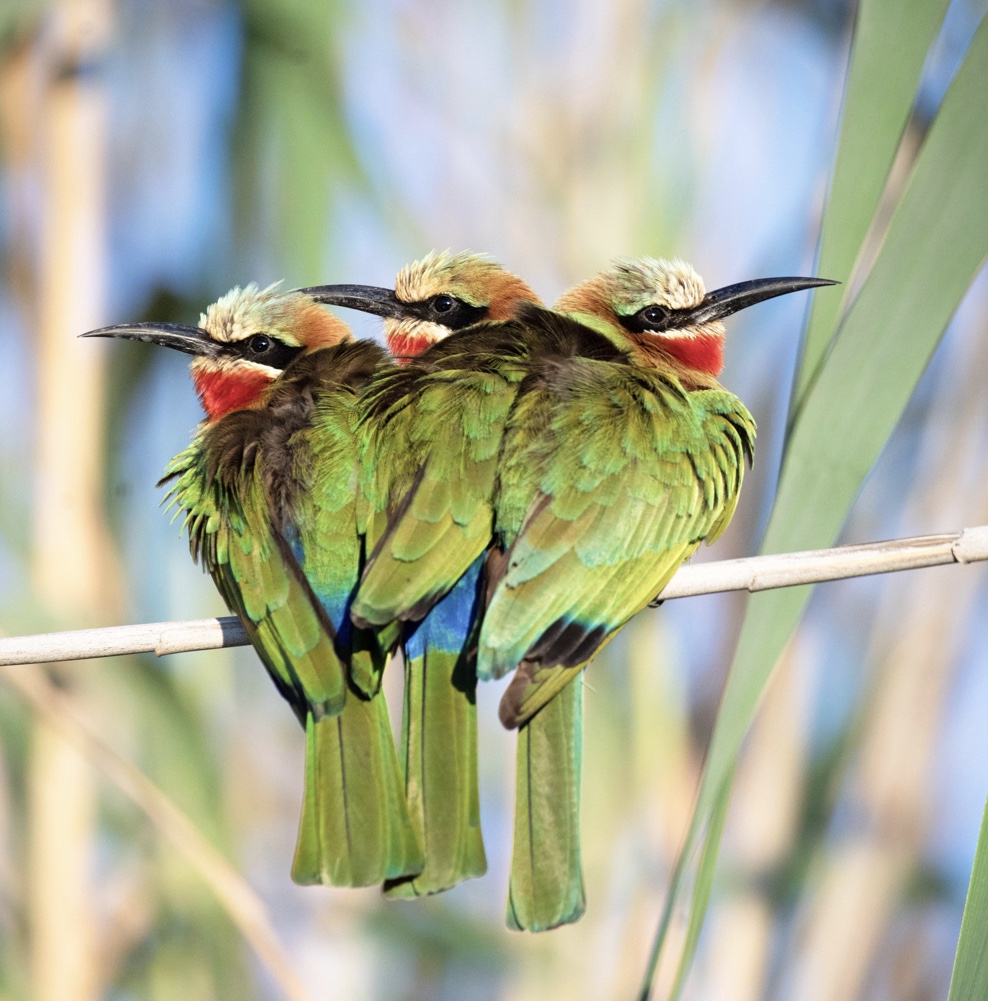
Botswana’s Green Season (starts mid November and ends early April) is one of our favourite times of the year. As the rains arrive so do the migrant birds from Europe, Asia and other parts of Africa. The carmine bee-eaters hovering over game-drive vehicles, waiting to snatch up bugs from the air, are exciting to watch. Kingfishers, kites, rollers and cuckoos embellish the air with extravagant song and colour. They stand out against the brilliant emerald foliage (even LBJs – ‘little brown jobs’ – look prettier). The pans are totally transformed by the magical pula and become havens for aquatic birds like flamingos and pelicans. Everywhere is good for birding – The Okavango Delta, Chobe river, Makgadikgadi Pans, Central Kalahari, and the Linyanti wetlands. Even your non-birders will appreciate the beauty of it all.
Travelling in the Green Season comes with lower rates than in other times of the year. Guests who have always dreamt of coming to Africa might suddenly find that travelling in the ‘secret season’ is super-affordable. If time is not of essence, you can stay for longer and immerse yourself in the experiences wherever you are, especially with the excellent discounts and specials available to you.
The other unique element of Green Season is that it’s the time year when many baby antelope are born en masse. Species like impala give birth all around the same time to ensure as many of their babies survive as possible – not only is there enough grazing around for all of them but giving predators thousands of options reduce the chances that your specific baby will be killed, if you’re an impala mom. The point is that you’ll get to see wobbly calves and tiny foals, which is very special to witness.

So, whether it’s bright green, dark green, light green or any green in between, the Green Season has plenty to offer. Yes, the longer grass makes animals slightly harder to find but it’s so rewarding when you do. Lower rates, fewer people, happy wildlife and pretty skies – what more do you want in Botswana!
TIP: Visit the Safari Destinations Agents Corner to get a glimpse of the Best In Travel package overviews curated for the green season.

Posted by
Caroline Mokaba
The truth about “Green Season” in Botswana
With our first rain of the season last night, the residents of Maun are breathing a sigh of relief. It is a welcome reprieve from the October heat. With all the industry talk of “Green Season” and the countless specials on offer, I thought I would shed some light on the subject for those wanting to travel to Botswana at this special time of year.
The green season in Botswana (Dec—Mar) is becoming increasingly popular as many operators offer significantly reduced rates paired with clever marketing strategies. However, you need to know the difference in the product during these months and be honest with your prospective customers.

Moremi Game Reserve, Bush Ways Safaris
Both wet and dry spells occur throughout the season. Typically short, spectacular afternoon showers offer a welcome relief from the heat of the day and make for great photographic opportunities. However, periods of heavy rain, low cloud cover and drizzle can occur.
Large concentrations of wildlife surrounding the permanent waterways during the dry season disperse to seek new grazing and are sustained by the seasonal pans now filled with rain water. Lower concentrations of wildlife are compensated for with lower visitor numbers offering added exclusivity. With the arrival of the rain comes new life as birthing season begins for many species. Predators take advantage seeking out the vulnerable young as easy prey creating spectacular wildlife interaction. Heronries and other nesting colonies are very active at this time of year and it is the peak breeding time for many of the colorful migrant birds.

Nxai Pan National Park (K Richardson – winner of the Kwando Safaris photo competition)
The normally arid landscape of the Kalahari is transformed into a thriving paradise teaming with herds of springbok and gemsbok attracted by the short, sweet grasses and the water filled pans. Nxai Pan becomes home to thousands of Zebra resulting in excellent predator interaction with the resident lion prides.
The scenery is refreshingly lush and vibrant as the dust is washed away and trees and flowers burst into life. The retreat of the flood means that more varied habitats are accessible to explore on game drives. Lower water levels in the delta can limit water activities dependent on seasonal flood levels. Walking is limited for safety reasons due to the cover provided by the long grass and lush vegetation.
The green season rates offer excellent value for money, providing a great opportunity to visitors that could otherwise not afford Botswana, or returning visitors that would like to see a different side.

Tau Pan Camp (Kwando Safaris), Central Kalahari Game Reserve

Posted by
Lorraine Potter