Top 5 Armchair Safari Spots in Botswana and Zimbabwe
I often get asked which places I would recommend for a relaxed armchair safari. Safaris can be exhausting: early mornings to catch the predators hunting, late nights watching ‘bush TV’. Having done numerous safaris and often rushing from one place to the next to make sure we know all the camps we are offering, I came to realize that a slower pace is the way to go. If clients insist on seeing many different areas they often don’t have enough time to stay three nights in each camp. In this case, I highly recommend adding the occasional ‘armchair destination’ into the itinerary, where guests can enjoy an afternoon spent in camp, watching the animals from the comfort of their lodge.

Carina enjoys an armchair safari in Nogatsaa.
Pick #1: Meno a Kwena Tented Camp, Boteti River, Botswana
This camp has been one of my favourite places since about 2004. It is situated above the Boteti River, offering stunning views of Makgadikgadi Pans National Park. Its unique location guarantees outstanding game viewing from camp. All tents are built along the edge of the cliff. The best time to travel is between April and November when the zebra migration arrives along the Boteti in search of life-giving water. The camp offers an authentic San Bushmen nature walk, full-day trips into the Makgadikgadi and, for guests that stay a minimum of three nights, a sleep-out under the stars in the middle of the vast nothingness of the salt pans can be booked.

Pick #2: Nogatsaa Pans Lodge, Chobe National Park, Botswana
Nogatsaa had been on my list of camps I needed to visit since its opening. Years ago, I had been camping in this very remote part of the Chobe National Park and loved the area since then. When the owner of Ghoha Hills told me about his plans to build a safari camp in Nogatsaa I was super-excited. The camp is situated on the edge of the Nogatsaa Pans, which have water pumped into them throughout the dry winter months. The pan is one of the few reliable water sources in this harsh area, making it a hot-spot for large herds of elephants. It is the perfect spot for a relaxed armchair safari: guests don’t need to leave camp, they can watch the animals come to drink. We saw hundreds of elephants, buffalo, giraffe, roan antelope, waterbuck, kudu and even a resident baby hippo during our stay. Access to the camp is by road from Kasane; the drive takes about two-and-a-half hours.

Pick #3: Deteema Springs Camp, Hwange National Park, Zimbabwe
Deteema Springs opened in May 2019 and is the second addition to the Machaba Safaris’ portfolio in Zimbabwe. The camp was built on the old Deteema Picnic site, a very popular spot with Hwange visitors. The national park authorities asked that the design of the new camp incorporates the old picnic site and the architects did an excellent job. This tented camp is super-comfortable and offers amazing views over the springs and towards Deteema Dam. Guests can skip an afternoon activity and enjoy the comfort of their veranda to watch the elephants come down to drink from the fresh-water spring.

Pick #4: Savute Elephant Lodge, Chobe National Park, Botswana
The Savuti region in the Chobe National Park has been especially famous for its large lion pride, the Marsh Pride. They had to adapt to the super-harsh environment of this intriguing place in order to survive. This group of sometimes up to 30 lions have become experts in hunting elephants – a spectacle that can’t be guaranteed but one that anyone who has witnessed it will never forget. Savute Elephant offers its guests a comfortable place to relax and enjoy the environment. The hide underneath the terrace and pool offers amazing views over a busy waterhole that gets pumped all year and attracts lots of animals during the day and night.

Pick #5: Kanga Camp, Mana Pools National Park, Zimbabwe
Kanga Camp lies hidden in the backland of Mana Pools National Park. Its unique attraction is the super-busy waterhole right in front of camp. The animals know that Kanga Pan is the only reliable source of water in the area and they make use of that knowledge. Guests can enjoy a delicious lunch on the main deck while watching the elephants come to drink. This authentic bush camp consists of six comfortable tents and guests get a true bush feeling in this remote part of the park.


Posted by
Carina
Sliding down into Tuludi
Tucked away in the Khwai Private Reserve, Tuludi from Natural Selection has access to 200 000 hectares of land to explore… so we went exploring!
Overall impression
Tuludi is stunning. Every small detail has been thought of while putting the lodge together. The main area offers so many different places to sit – the problem is that they are all very welcoming so the choices seem endless! All these different seats have different views of the area surrounding the lodge.

The whole lodge, including the staff, is premier material. Food is à la carte with a good number of choices that are out of the ordinary but tasty. The rooms are spacious and restful yet romantic with outside bathtubs. The family room is stunning. In fact, the whole camp is family friendly especially with the fun addition of the slide in the main area!
The vehicles are so comfortable that no bumpy road can ruin your game drive. They also have an elevated hide overlooking water for lunches or dinners.
Comparative value and experience
Tuludi offers a chic modern style, some of it’s design elements are unique, like the bar, made of thousands of mosaic pieces – stunning artwork. This new camp has the air of a premier camp at more classic rates, it would go perfectly well with the likes of Kanana, Nxabega or Xaranna. I can also see it being combined with Ngoma Safari Lodge, Belmond Savute Elephant or the new Selinda Camp.

Ideal clients
This lodge is definitely for clients wanting a luxury safari who love their comfort. It’s also good as an upsell for honeymooners. Tuludi is a good family camp for children aged six and over but a private vehicle must be booked in this case.

Seasonality, wildlife and activities
Tuludi is one of four camps in the vast Khwai Private Reserve. Only vehicles of one of the four camps are allowed to gamedrive in the area, making it an exclusive experience. The main source of water is the eastern-most finger of the Okavango Delta, the Khwai river, which attracts large herds of elephant and buffalo. The permanent waterholes are home to resident hippos. During rainy season the floodplains fill up, changing the landscape from open grassy floodplains to lilly-filled lagoons.

Posted by
Mia Ives
Fit for royalty at King’s Pool
Clare and I were among the first to visit the ‘new’ King’s Pool Camp, which has been given a very impressive make-over…!
The new rebuild of King’s Pool is looking fantastic. They have used a lot of earthy colours such as browns, beiges, golds and black, which give a really refreshing feel to be somewhere completely different to the Delta.

From the main area and all the rooms, you have a lovely view over the Linyanti Swamps, teeming with hippos and crocodiles.
One of the special treats of King’s Pool is their very own in-house masseuse, who will spoil you with a massage on the deck of your room overlooking the swamps, for total relaxation in your siesta or after a hard day’s game driving.
The lodge has the advantage of driving along the riverbed in the late afternoons where you don’t have to search for any game, as hordes of different species come down to drink in the heat of the afternoon.
We were lucky enough to watch crocodiles displaying mating behaviour plus see hundreds of elephants, roan and sable antelope among other plains game.
The landscape and habitats are completely different to the Okavango despite the Linyanti Swamps being a Delta system of their own; they are completely separate to the Okavango.
Driving the river’s edge in the afternoon is a completely different experience to driving further back in the mopane woodlands in the early mornings looking for more predators. It gives a complete contrast of habitats.
This area is well known for its large herds of elephants in the dry season: it did not disappoint in that regard as we encountered huge breeding herds.
Another highlight of this camp is the two hides. One is underground in front of the water, meaning you are looking out at ground level up at the gentle giants that dominate this area.

King’s Pool suits first-time safari goers as it is an easy comfortable safari experience. Everything is pretty much thought out for you and not too much energy is required. Those first-time Botswana travellers who have heard about our large elephant populations, but don’t want to do the crowds of Chobe and have the Premier budget, would fit King’s Pool perfectly as they still get the barge on the river and game drives, all in the exclusiveness of a private concession. You have the flexibility of game drives, boating, walks and sitting back in one of the two hides relaxing with a gin and tonic, watching the animals coming down to drink.

The best months to explore this area in a typical year is July to October as the food resources and excess surface water from the rainy season have dried up, pushing the big herds into the Linyanti Swamps area to greener pastures and permanent water sources. In the Green and shoulder seasons, although the big herds will move out, the predators remain because they’re territorial, and the antelope that remain give birth to their young, meaning lots of babies around that make for easy pickings for the lions!

Posted by
Storm
Kwara – an exciting rebuild!
We stopped at Kwara Camp in the famous Kwara Reserve in September 2019, just after it reopened after a complete rebuild. The new camp is bigger and more luxurious than the old one: there are nine tents (including one for mobility impaired guests), two swimming pools and private vehicles available.
What was your overall impression of the camp? Please highlight the unique selling points.
Sue Smart of Kwando Safaris was there to show us around and she is clearly very proud of the new addition to the Kwando portfolio – quite rightly so! This new lodge is lovely and the feel is classic 50’s safari style with contemporary touches: elements of décor like old trunks, framed photos of insects on the wall, a brass telescope, fabrics depicting plants and animals mixed in with a modern light fitting and bar stools, for example.
Every small detail has been thought of and geared towards a more demanding, sophisticated and mature clientele. The lodge is definitely not child friendly – the minimum age is 18. The main area is constructed on different levels and offers various places to sit, play games, read, write, lounge, drink and eat. The rooms are huge and include a proper lounge area with a sofa, armchairs and coffee table, a king-sized bed wrapped in a mosquito net, en suite bathroom with lots of packing space and surface areas on which to put toiletries, a vanity, bathtub, enormous rain shower heads in the indoor and outdoor showers, and a large deck with table and chairs. The linen looked first class, too.

The room I saw was for clients with mobile disabilities was all on one level. The others are identical but have a sunken bathroom. The rooms have solid walls and wooden doors and yet there is a canvas feel to it (good for clients who don’t want to sleep in a ‘tent’). I love the fact that there are two good-sized swimming pools at each extremity of the lodge so they will never seem overcrowded nor in full view of the main area. Each pool area has a ‘clubhouse’, which has a fully stocked fridge, tea/coffee-making facilities, armchairs and a ceiling fan. There are four deckchairs on one side of the pool, facing the bush.
How does the camp compare to similar camps in terms of value and experience? Are there any notable special offers applicable?
I feel that Kwara Camp is good value for money. Being a four-star classic camp, it is super comfortable but not as luxurious (or as expensive), as Tuludi or the Wilderness Classic camps. Long-stay rates are always a plus at Kwara and as long as you stick with a minimum of three nights, the Five Rivers package can include Kwara. Please remember that a minimum stay of three nights is necessary, and honestly spoken this concession justifies at least a 3 nights stay, ideally even longer.
How would you combine this camp in an itinerary and why?
The camp covers land and water activities, I would combine it with a camp in a completely different area such as Savute or Makgadikgadi Pans. Or in the Linyanti, the obvious choice would be Lagoon or Lebala Camps because of the reduced long-stay rate.

What type of clients does this camp suit and why?
This lodge is definitely suited for higher-end safari goers, seeking an authentic, good quality safari in one of the best concessions in the Delta. It comes with lots of creature comforts but not over-the-top luxury: groups of friends, couples, families with adult children (minimum age is 18 years), repeat clients and honeymooners would all feel comfortable here. It is also suited to those who want solid walls, and windows and doors that open and close (not tents or canvas).
How does the seasonality of the area change through the year and what effect does it have on a visitor’s experience, with specific reference to wildlife and activities?
This huge private concession borders the Moanchira channel, which has permanent water so boating will always be possible, whatever the season. Game is super-chilled and plentiful. Moremi Game Reserve is just on the other side of the channel so lots of animals cross backwards and forwards throughout the year. If the low water levels in the Delta persist into 2020, the Kwara Reserve will be a big draw as this year water in the upper Delta is more plentiful and reliable.


Posted by
Sarah Graham
Bumper game viewing predicted for 2020!
The Okavango Delta is an incredibly dynamic ecosystem. Its fluctuating water levels cause vegetation and habitats to adapt accordingly in very short time spans.
The Delta has historically always experienced wet and dry spells, which last roughly 30 years each. We are currently in the tail end of a wet cycle and the exceptionally low rainfall beginning of this year is not unusual according to historical data. Tentative weather predictions are looking positive with better rains this year and a bigger flood in 2020.

The current drier conditions we are experiencing are, almost counter intuitively, not bad news. During our exceptionally high flood levels in the early 2000s, large tracts of the Delta were flooded for longer periods of time. This meant that the grazing that occured on the floodplains once the water receded was no longer available for the herbivores and the nutritious grass was replaced by unpalatable sedges (types of mostly perennial but sometimes annual herbs that have a ‘tuft-like’ appearance). This has meant that herbivore numbers actually declined over this period even though the Delta was at its fullest and prettiest.
This year’s exceptionally low floods mean a lot of those floodplains have become accessible and the sedges will die back so that grass can grow again, making the land once again suitable for grazing. The herbivore populations will increase thanks to the extra food, which in turn positively affects the predators. So, while there may not be picture-book Delta water activities everywhere, there has been exceptional game viewing instead.
The upper or northern Delta has received its usual annual floods, albeit in lesser volumes, which means that conditions there haven’t changed as much.
The lower or southern Delta is affected the most due to the lack of flooding but the newly available grazing will only enhance the game-viewing experience. The reason for this distinct shift in flooded areas between the upper and lower Delta is most likely directly related to the big earthquake Botswana experienced in 2017. Due to the sandy substrate the Delta lies on, even a small shift is enough to divert water flow.
This cycle should see an overall improvement in the amount of grass available as the water-loving sedges die down, leading to the exciting game viewing we all enjoy so much.


Posted by
Pam Zweerts
The Panhandle: Botswana’s Best-kept Secret
We have long loved the Panhandle and have always considered it a secret gem. It’s a wonderful ‘new’ destination for clients who would like guaranteed water activities like mokoro and boating as well as a gateway to the Tsodilo Hills.
Access
A 70-kilometre watercourse that starts at the Namibian border before spreading out into the Okavango Delta, the Panhandle offers year-round water. Value-for-money lodges and more affordable transfers are now making it extremely attractive. Access used to be a prohibitively expensive but now it’s on par with any other Delta flight, making it a serious option for more cost-conscious bookings.
Experiences
The water experience is unrivaled: guests glide silently through the channels on a mokoro, absorbing the peace, quiet and lush greenery. They can also head out on a high-speed motorboat to experience the vast space opening up in front of them.

Tigerfishing is a famous and exciting activity in the Panhandle, as is angling for bream and barbal. Birders can train their binos on the densest concentration of fish eagles in southern Africa and look out for multi-coloured narina trogons, kingfishers, African skimmers and Pel’s fishing owls.
In addition, 30-minute scenic helicopter flips here are the same prices as those over the Victoria Falls but with the doors off, giving you clearer, more expansive view and a proper opportunity to trace the channels by air.
Travellers who want more adventure can branch out on a day-trip to the Tsodilo Hills. Declared a World Heritage Site in 2001, these four large outcrops account for the highest peak in Botswana. The Tsodilo Hills have been nicknamed the ‘Louvre of the Desert’ because of the hundreds of rock paintings found here. Clients who are hikers or ramblers can stretch their legs on trails here with a local guide.

Accommodation
Upscale options are Nxamaseri Island Lodge and Setari Camp. Nxamaseri is only 37km from Shakawe while Setari is easily accessed on a 35-minute flight from Maun to the Setari Airstrip. Guma Lagoon Camp and Xaro Lodge are favourites for self-drive itineraries, offering down-to-earth accommodation in comfortable canvas chalets and Meru tents. Mopiri Camp is a good mid-range option.
For more details on how to incorporate the Panhandle in an itinerary, please ask your dedicated Safari Destinations consultant. Thank you to Helicopter Horizons for the image of Tsodilo Hills.

Posted by
Andrea Reumerman
#LostInBots
We’re only momentarily disorientated… I’ve been lucky enough to call Botswana home for 7 years now and have traversed most of its dusty roads. However, there are always new gems to explore and last weekend the Makgadikgadi National Park was on the itinerary. This largely underutilised park only has a couple of roads crisscrossing its interior and most of them are long and straight with miles of visibility. Despite these pretty good odds, I still managed to be momentarily disorientated… or in plain English “lost”.
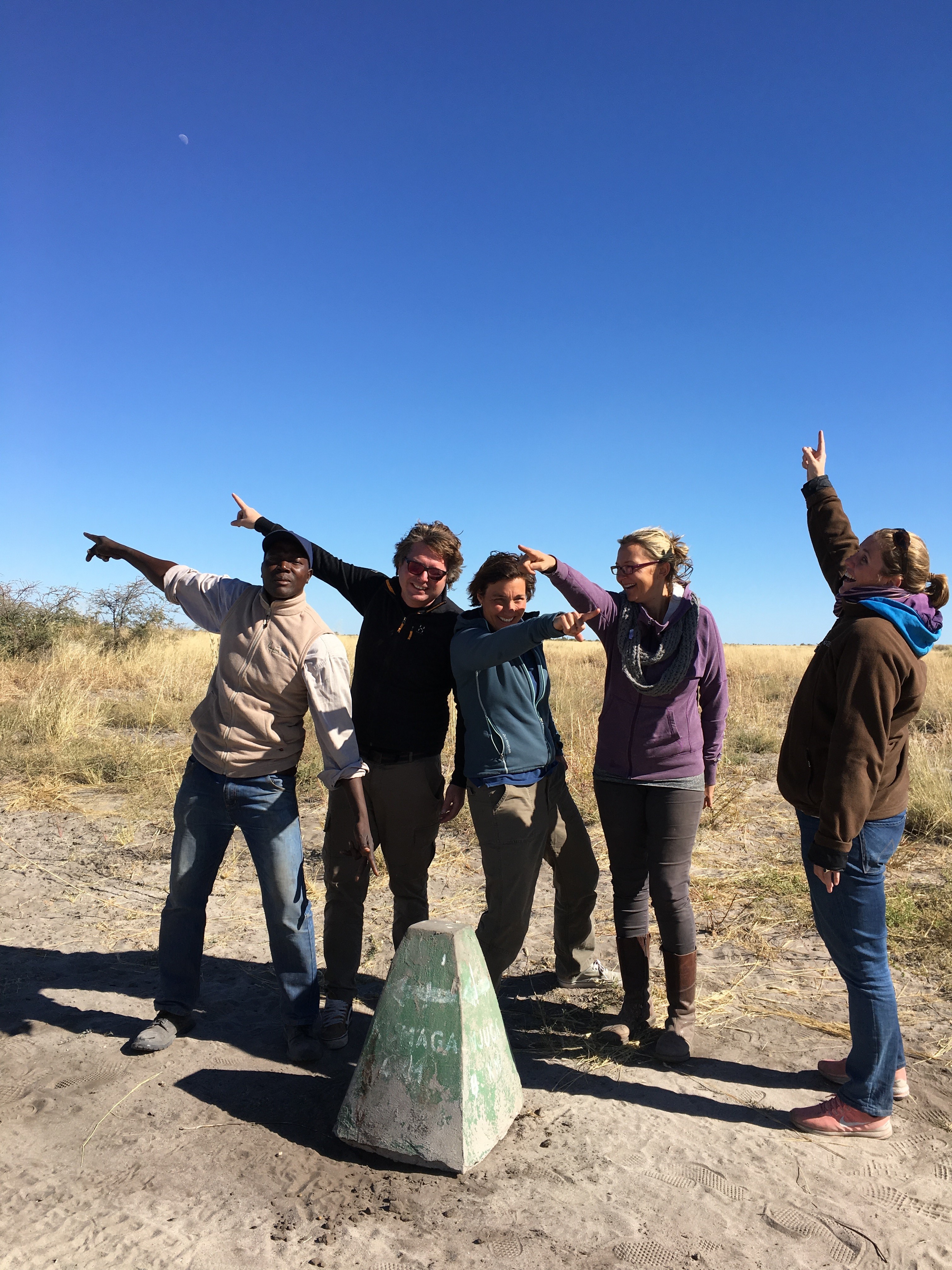
In hindsight this is actually a pretty impressive feat seeing as there are so few roads and yet we still managed to miss one of them – turns out it was the crucial one. We had booked a campsite in the middle of the park but for some reason we ended up on the Boteti river which forms the western boundary of the park. I’ll never forget when we came out of the ‘woods’ onto a ridge with a very pretty view of a dry river bed. After a moment or two of complementing the view it dawned on me that we were looking down on the Boteti and nowhere near where we were supposed to be. The little cement pillar stating Khumaga office a mere 2km away confirmed this. I couldn’t help but start laughing, almost uncontrollably, at this rather long detour. It was now 15h00, we’d left Maun at 8h30 and still had to cover 60km to get to the campsite and set up camp. Suffice to say the giraffe, gemsbok and elephants we’d passed earlier looked a little surprised to see us again so soon going the opposite direction at a slightly faster pace..
We made it to Tree Island in record time, set up camp and managed to get out onto the pans for a well-deserved sundowner. Nothing beats the open spaces the pans have to offer, there is quite literally nobody around let alone any man-made structures to disturb the endless views. My Dutch friend, who is an avid sailor, likened the emptiness of the park to being out at sea – the grass waving in the gentle breeze reminded him of the waves and if you know enough about astronomy you can easily navigate by the stars. I’ve seen plenty of impressive night skies but on a moonless night like we had, the universe in all its glory makes you seem very small and irrelevant in the larger scheme of things. A feeling that more people should experience more often if you ask me! 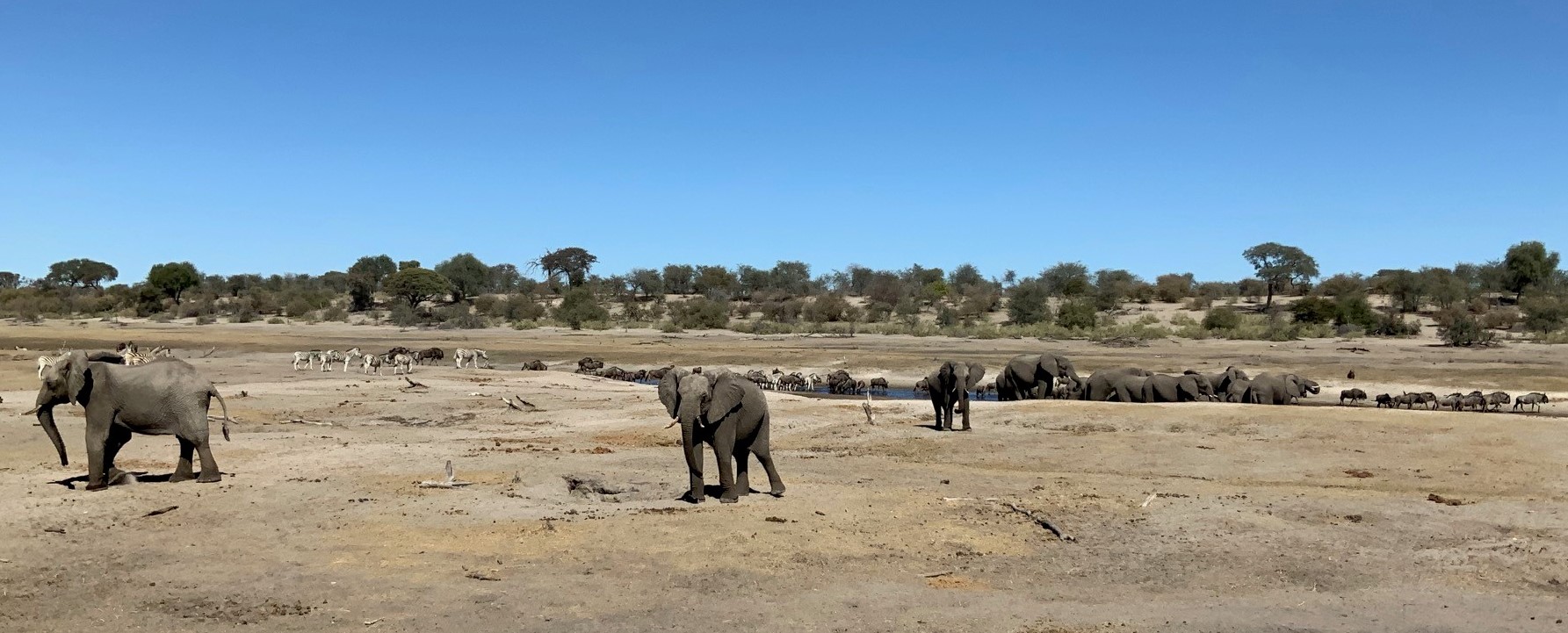
Back in camp dinner was served and we ended the day with a nightcap around the fire – you’re not camping properly if you’re not sitting around a fire contemplating the days’ adventures whilst hearing lions roar in the background.
The next morning, we left bright and early, changed our second flat tyre and made our way back to the Boteti (we knew the road by heart now..) to catch the annual zebra migration. This natural phenomenon is utterly astounding and quite literally breath taking. Imagine hundreds of zebra and wildebeest making their way down to the river, which isn’t much more than a couple of big puddles and trying to squeeze in between large herds of elephants. We parked our car under the trees, opened our picnic lunches and just sat there for hours watching the spectacle unfold before our eyes. Whilst the zebra, wildebeest and elephants were all jostling for space lions starting calling. I’m convinced they did so just to make the experience all the more surreal for us. 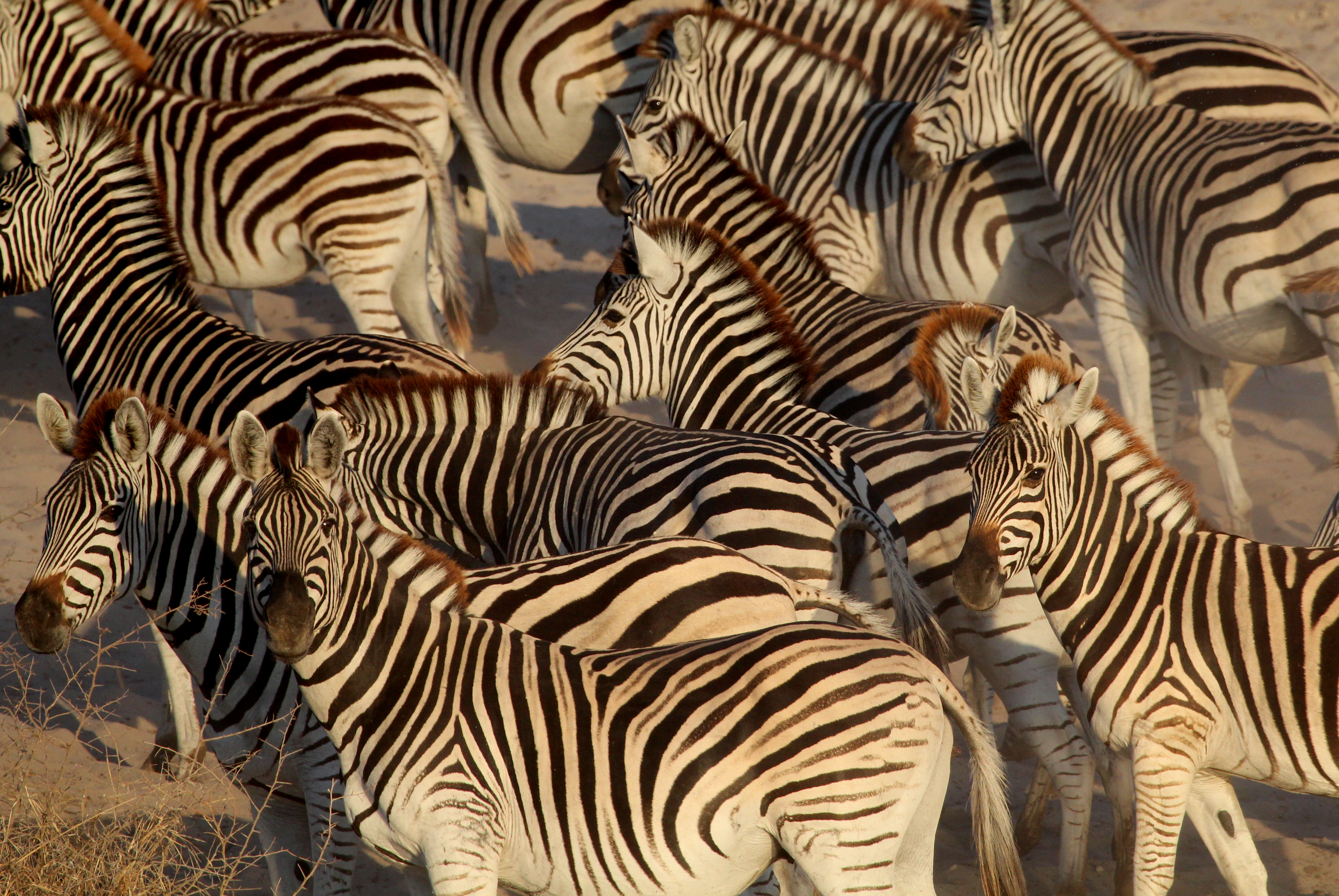
No matter how long I’ve been in Africa for nor how many safaris I’ve done, those hours spent on the river banks watching the spectacular migration in action is something I won’t easily forget. It ranks pretty high in special moments and trust me, this continent has granted me quite a few!
Posted by
Pam Zweerts
Get ready for an amazing season!
The Okavango Delta, the largest oasis in the world, attracts large concentrations of all forms of life from the surrounding Kalahari Desert. During periods of flooding plants flourish, animals reproduce and large herds of mammals migrate away from the swamp, to the fringes and to areas in the surrounding desert that benefit from the water that is slowly making its way through the sand.
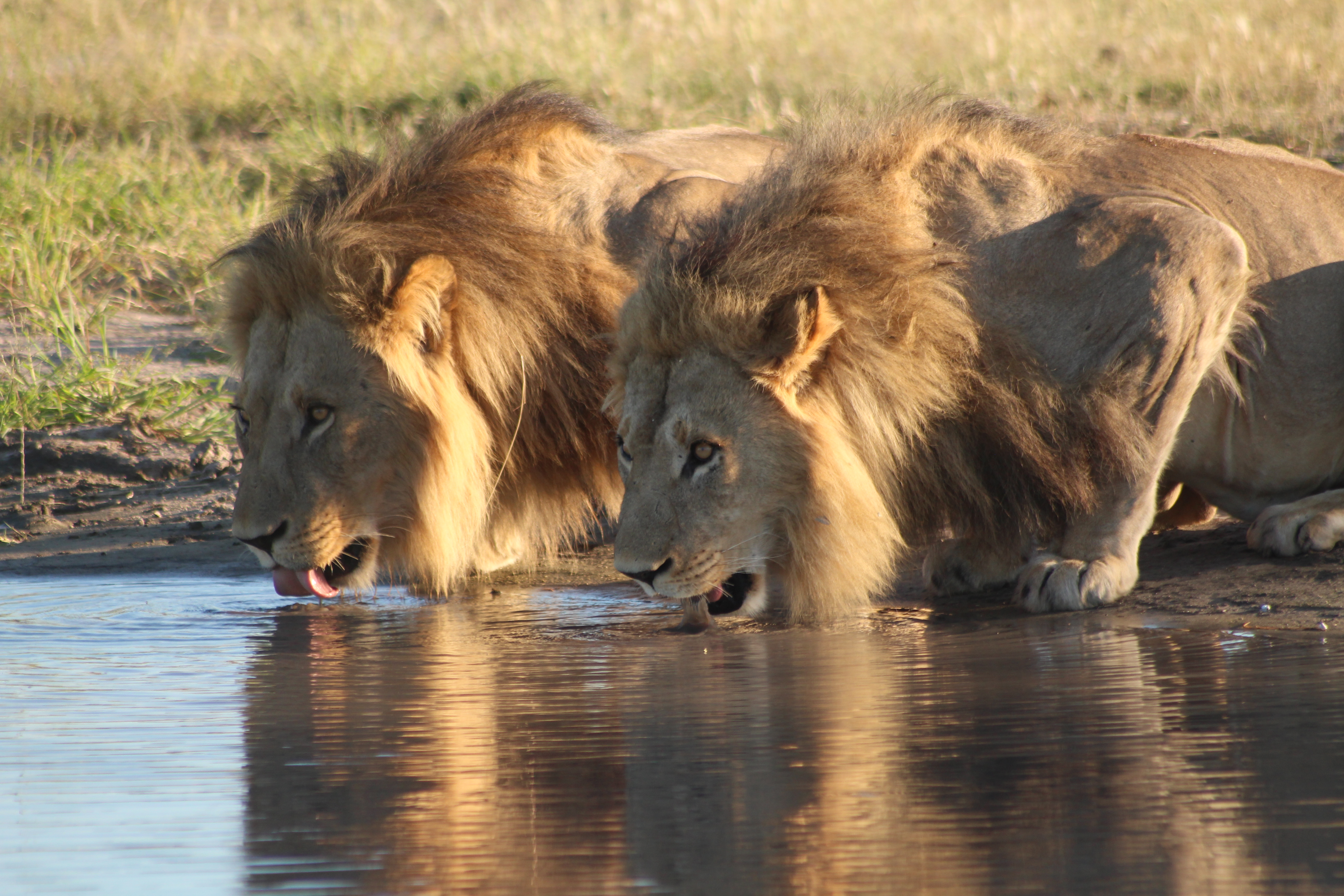
The exact opposite happens during dry spells! 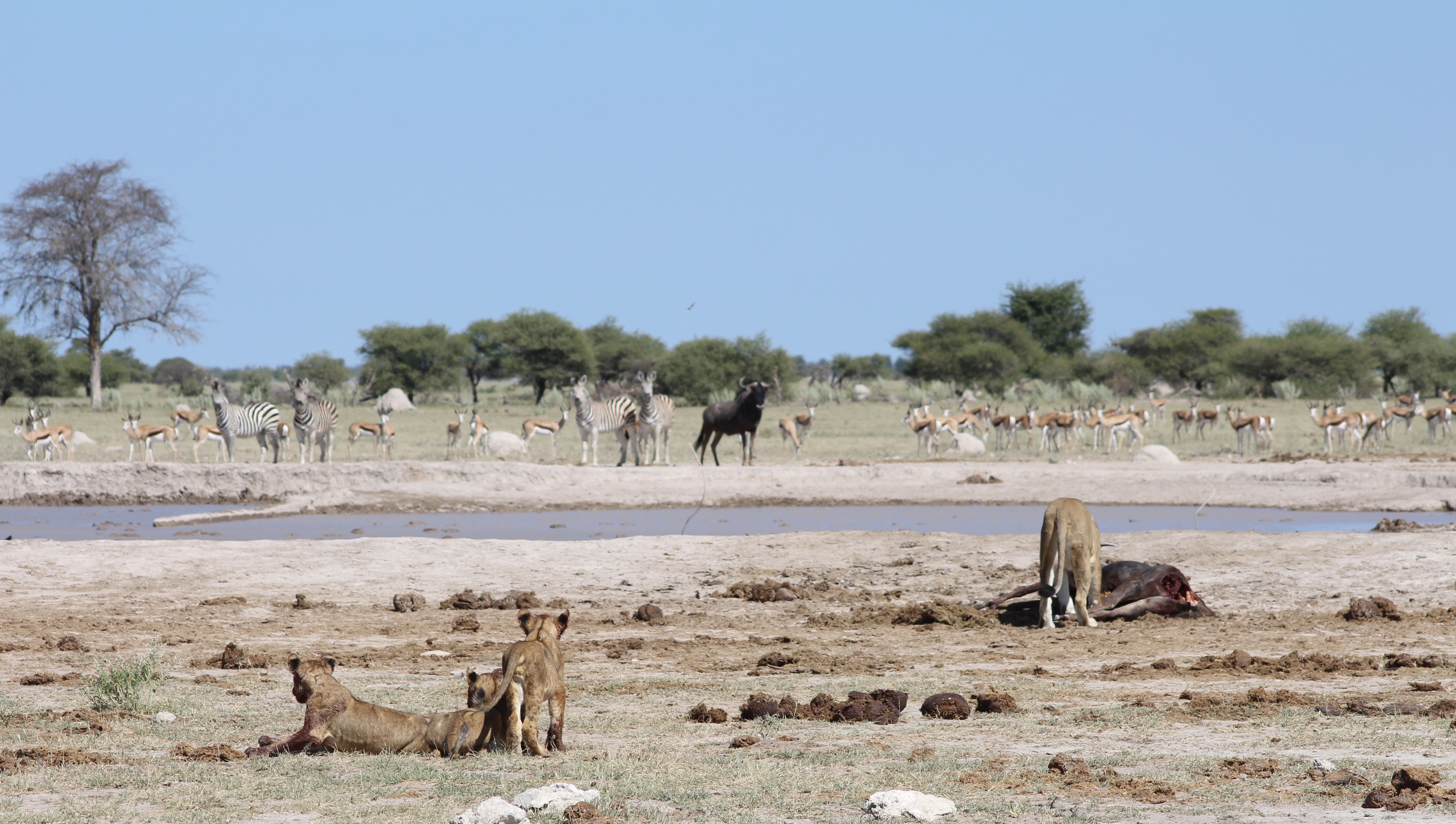 Large concentrations of animals come together around water pools, receding channels and lagoons. Considering the current water and flood levels and data on rainfall in the Angolan Highlands and the catchment area of the Okavango Delta it is very likely that the upcoming year will be very dry. It looked similar in the late 1990s and early 2000s – and game viewing around the core Okavango was nothing short of spectacular! We were there to see it. Elephants, buffalo, wildebeest and zebra jostling for a place around the precious wet; carefully watched by predators that follow the herbivores and focus ALL their attention around the last remaining watering holes.
You remember all those times when we said: Or should I rather suggest to the clients to travel a bit later? When the game viewing is a bit better? Don’t you think June is maybe too early? Maybe rather September?
In 2019 we are up for a much longer season of enhanced game viewing with less animal movement out of the Okavango, a true premier savanna game drive and superb walking experience. In essence: it will be September from June onwards…..
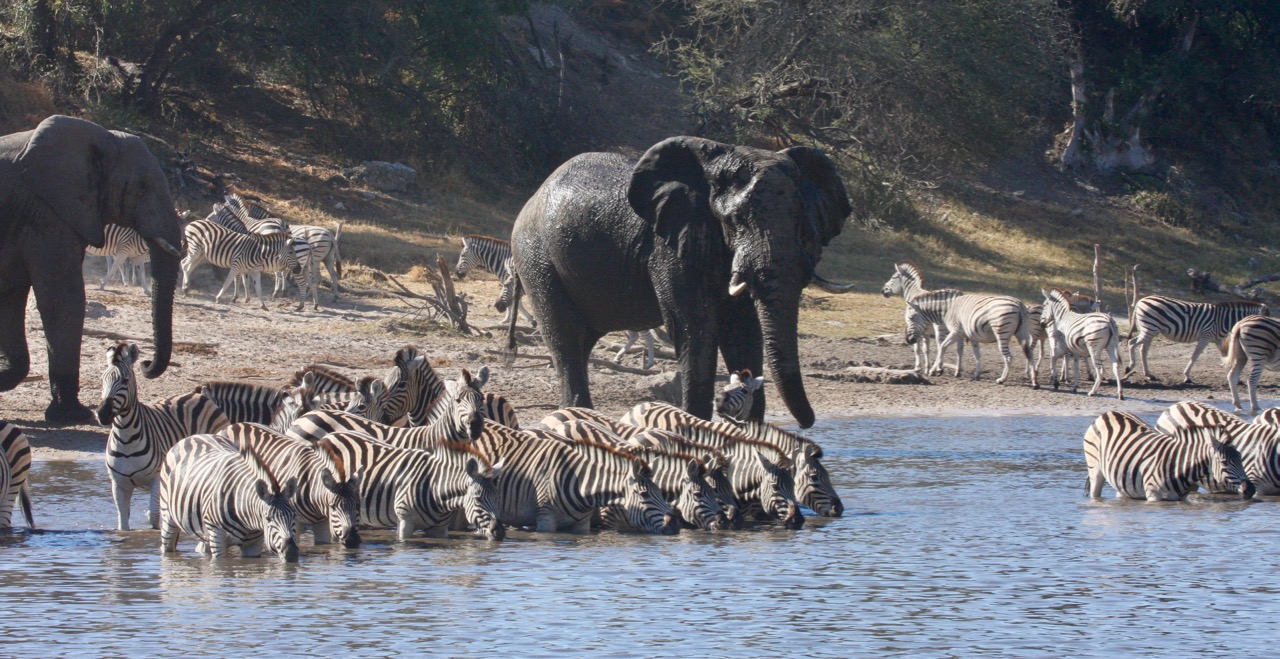 Sure, the water levels might get too low to conduct boat cruises and mokoro excursions sooner than in previous years in a lot of areas. But there is still a number of camps around, located close enough to the more permanent channels, where your clients can enjoy gliding through the swamp on a mokoro. Our consultants know exactly where to find those camps to add to your clients’ itinerary and where to include mokoro or boating.
But don’t let anybody fool you into believing that a dry cycle in the Okavango is bad news.
It is great news for a photographic safari. Get ready for an amazing season !!!!
Posted by
Andrea Reumerman
Be prepared … we tested the new Tracks4Africa app
Driving through Botswana can present some challenges – difficult road conditions, destinations far apart from each other, remote areas and confusing “road” networks. All the more important is it to be thoroughly prepared and use the tools at hand to make sure your journey will be the safari of your dreams.
One of the priorities of our recent self-drive adventure was to test the different tools available. We were super curious to test the app that everybody is talking about – Tracks4Africa. We compared it with the Shell Maps, our maps (which are great as a back-up) as well as the Garmin GPS. During our self drive trip through Savute, the Caprivi, and the Panhandle it became very quickly apparent that the Tracks4Africa app is a very effective tool!
The app is very user friendly and the best about it, it works offline! Even in the remotest areas, the app connects the dots via GPS signal and allows people travelling to easily find their way around the complicated and sometimes a bit chaotic bush network.
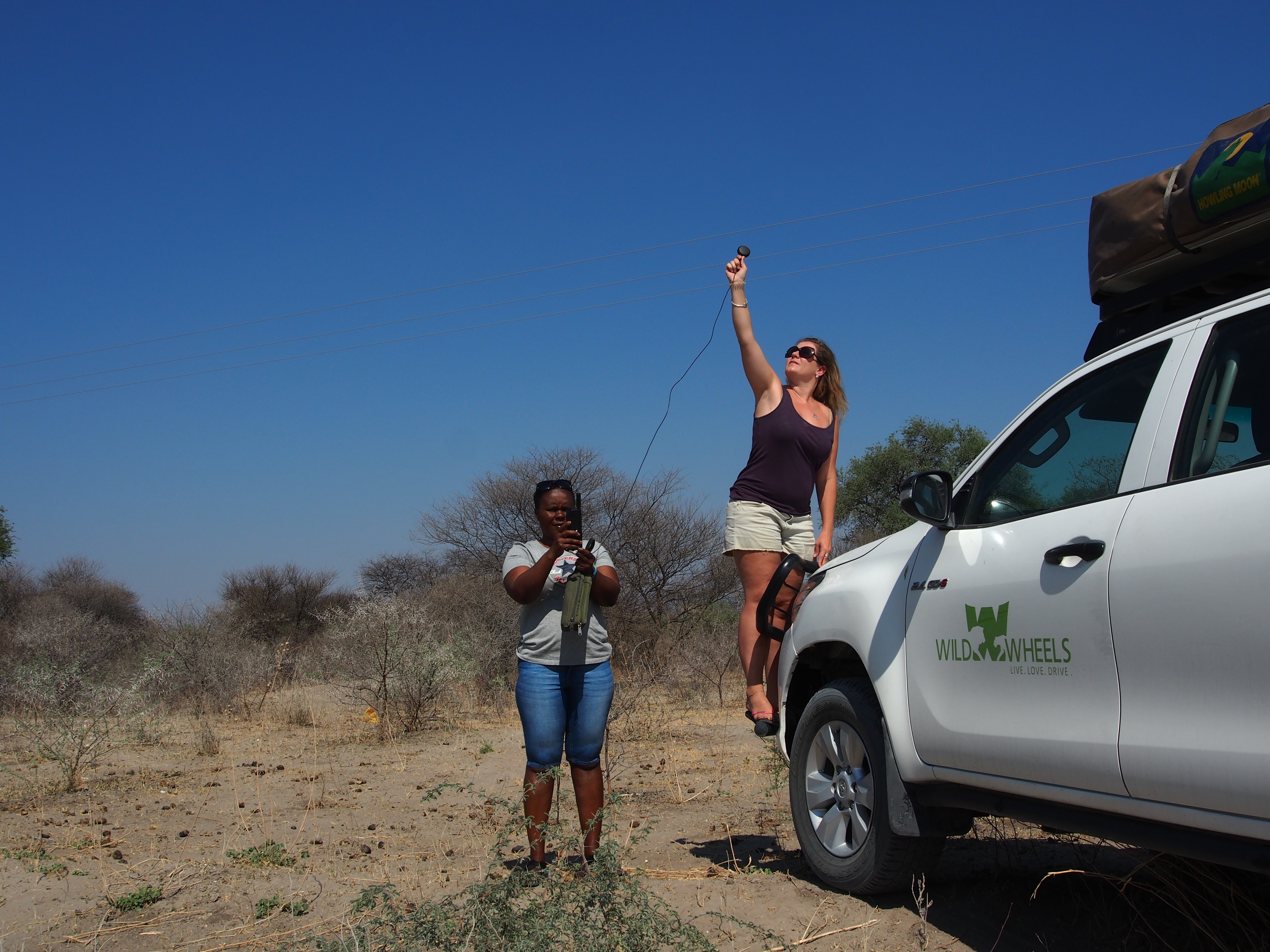
Scarlet & Brinny finding a satellite phone signal
Tracks4Africa allows to search by accommodation, places, GPS coordinates, or when you see on the screen where you would like to go, you can simply tap on the screen and it will calculate the route for you. You also have the option of putting in so called “way points” along your way. This way you can literally map out your entire trip beforehand and it will lead you from stop to stop. The indicated estimated driving times are very accurate and if it changes along the way due to rest stops, slower driving etc. the system simply recalculates.
We know that some clients struggle with the costs for the app. It currently costs USD 50, but this includes regular updates. The app covers many African countries including South Africa, Namibia, Botswana, Zambia and Zimbabwe and many more. Users purchase it once and can use it again and again.
Driving through the bush, the app was most reliable. The ways leading up to the lodges usually are not mapped as some lodges do not advertise themselfes as self drive lodges, but by using the SD self drive maps with the accurate GPS points for the lodges, following signs or asking at gates even that was easily manageable.
For next season we are considering putting together self drive-kits including the paper maps of Tracks4Africa as well as the guide book. This can be pre-ordered through Safari Destinations and the clients would receive it on arrival. Our recommendation however is that clients study their itinerary beforehand, downloading the app (available for Android and iOS) and make themselves familiar with their route. Botswana is a demanding destination when self-driving and proper preparation is everything. 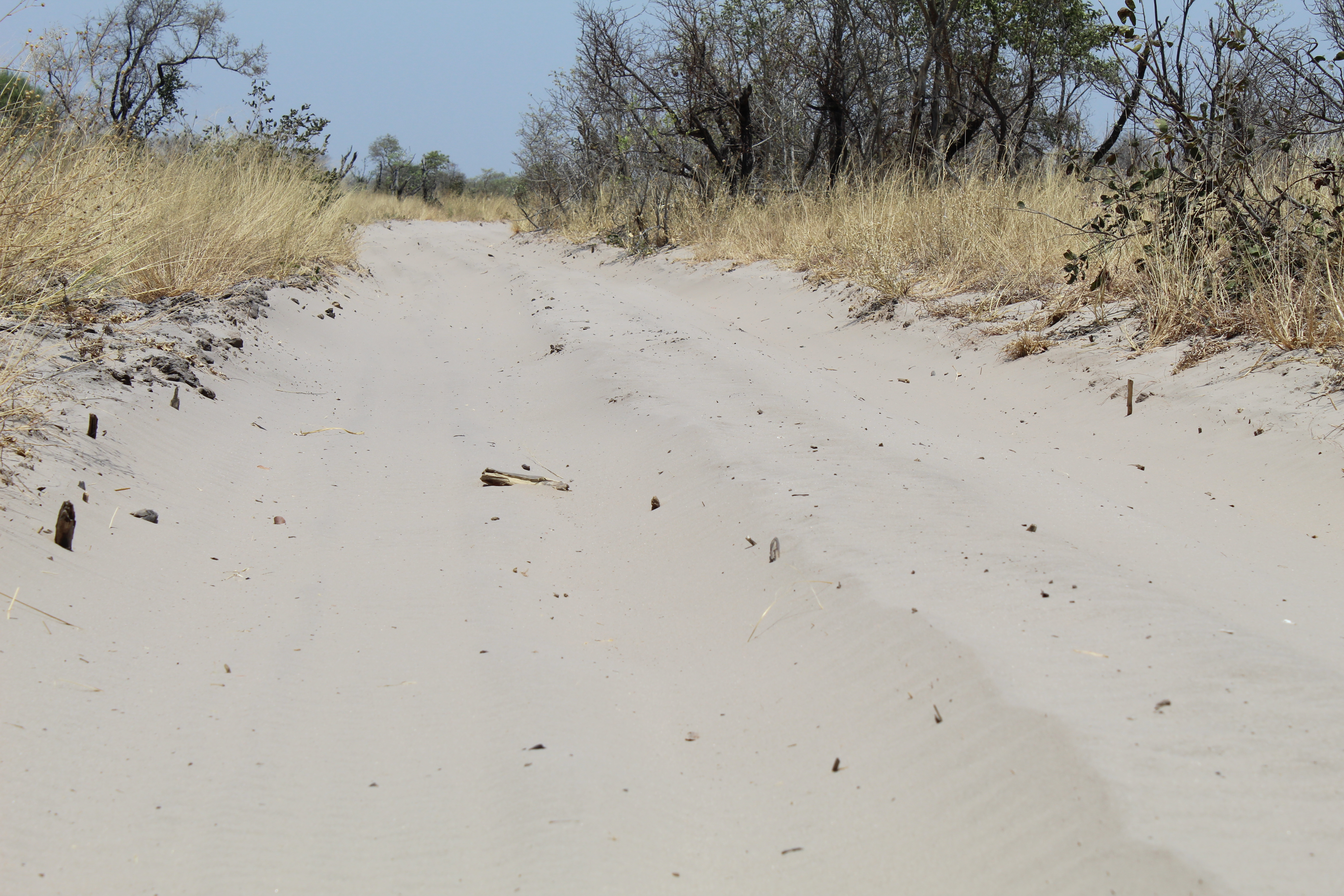

Posted by
Scarlet Backes
Love is in the air… a Traditional Botswana Wedding
It has always fascinated me to see how young Batswana are proud of their heritage. It almost seems as if they all have two hearts, one that beats for the modern world and the other that embraces their culture, values and traditions.
Here is the story of Tshepang and Ndiye, two of SD’s “rising stars”, who allowed me to share this with you.
What started off as silly jokes and ‘friendship’ led to a journey of love. We knew for a while that there has been an office romance going on, but now it is official. Tshepang and Ndiye celebrated their traditional wedding last weekend. These two very special people found their love in the workplace and decided to make a lifelong commitment. Congratulations to the perfect match. 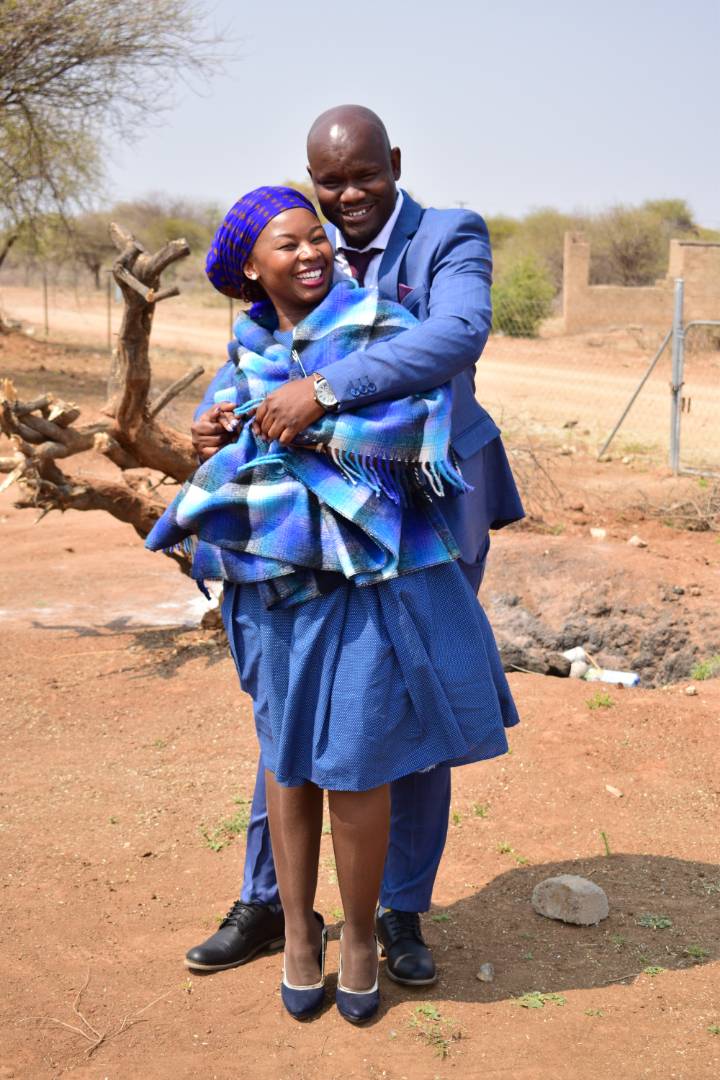
Traditionally in Botswana, when the groom’s inner voice tells him that it is time, he tells his uncles about his intention to marry. The uncles then “take over”. They will meet and discuss with the groom’s parents. A delegation from the groom’s side is sent to the bride’s parents to ask of their traditions. This is because although there is a lot of common practices, a few differences exist from tribe to tribe. The groom’s parents then visit the girl’s parents to get their consent which will then lead to the process called “Go battle mosadi” meaning “officially ask for the daughter’s hand in marriage” and is done by uncles to uncles. When the two families reach an agreement about the marriage, negotiations for bogadi/lobola (the bride-price) start. Bogadi/Lobola is a gift to the bride’s parents for their consent and also for raising the bride. Bogadi is paid in form of cows but we are very fortunate that families nowadays also accept cash. Knowing how special Tshepang is, it would have meant a whole herd of cows.
Both groom and bride should be present at the Patlo/Bogadi celebration. During Patlo/Bogadi there is a feast with traditional food and beer. All women have to dress up traditionally, which means a skirt, blouse, a shawl, and a head covering. Men should be in long pants and jackets. Women sit apart from the men on the floor, whereas men are allowed to sit on chairs.
Ndiye and Tshepang had their traditional wedding last Saturday. It was a day filled with joy. We wish the couple lots of happiness and fun organizing their “white wedding” which they will celebrate in a couple of months. Remember, Batswana are blessed with two hearts… 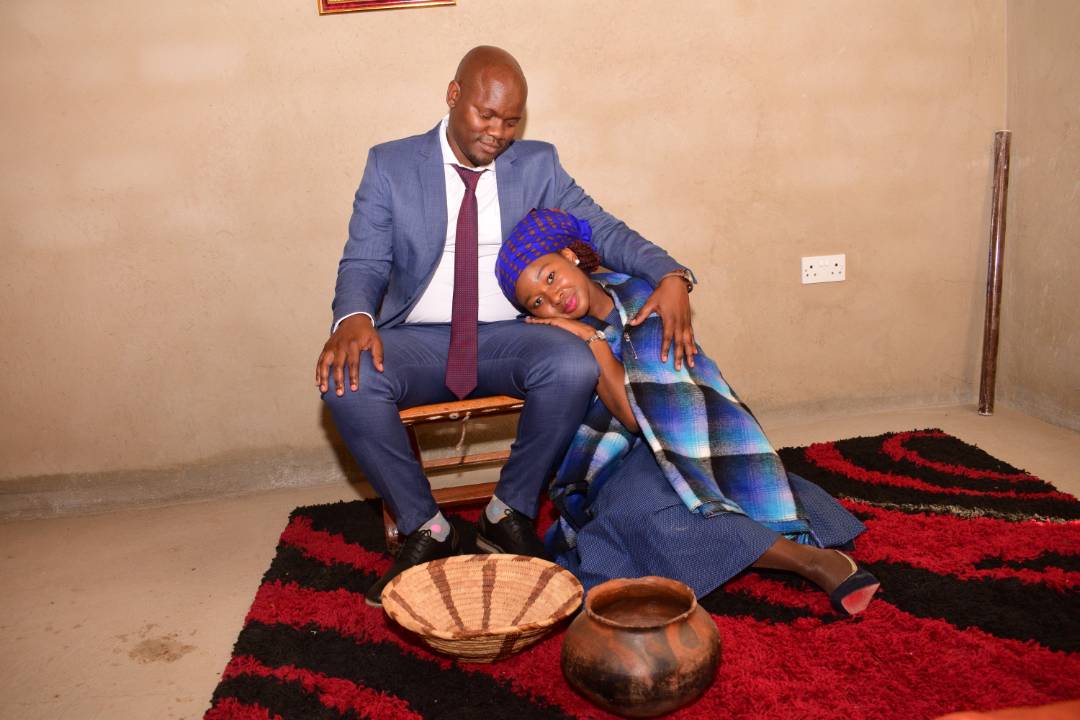
Posted by
Carina