OAR Patronage and Travel Insurance: Why Both Matter
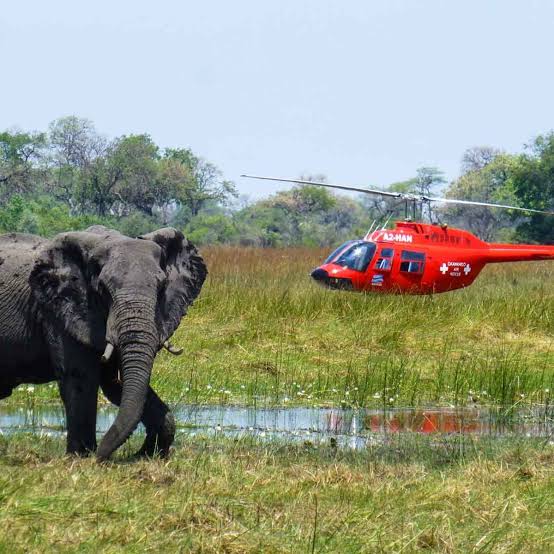
Botswana’s safari areas are among the most beautiful and remote wilderness regions in Africa. This remoteness is a major part of the experience, but it also means that medical emergencies require fast, local and highly specialised support.
Many of our agents are already familiar with Okavango Air Rescue, also known as OAR, but it is worth revisiting why we continue to recommend OAR patronage for guests travelling into Botswana’s remote safari areas, and why comprehensive travel insurance remains essential.
OAR is not a travel insurance and does not replace the need for proper medical and travel cover. Instead, it provides an important safety bridge between an incident happening in the bush and the insurance process taking over.
In the event of an accident or medical emergency, insurance companies may first require medical reports, doctor’s letters, approvals or guarantees of payment before authorising an evacuation. As most insurance companies are not based locally, this can cause delays, especially when guests are in remote safari areas with limited access.
This is where OAR plays such an important role. Through its patronage system, OAR can action an emergency medical evacuation immediately, without waiting for insurance approval first. They facilitate evacuation by helicopter, with medical staff on board, and then assist with communication and coordination with the guest’s insurance afterwards.
The current OAR patronage contribution is USD 21 per person and is valid for one year. This contribution does not cover the actual cost of the medical evacuation. A helicopter evacuation from the Okavango Delta can cost around USD 3,500, depending on the location and circumstances. These costs must still be covered by the guest’s comprehensive travel insurance.
The value of OAR patronage lies in speed, coordination and access to local emergency response. It helps avoid critical delays at the very moment when time matters most. In remote safari areas, waiting for insurance approval before action is taken can make an already stressful situation even more serious.
For guests, OAR offers peace of mind. For agents and operators, it provides reassurance that there is a professional medical rescue team on the ground, ready to respond and coordinate the immediate emergency process.
In simple terms: travel insurance is essential to cover the costs. OAR patronage helps ensure that the rescue response can begin without delay.
A safari in Botswana takes guests into one of Africa’s most extraordinary wilderness areas. It is remote, pristine and beautifully untouched, which is exactly what makes it so special. But this remoteness also means that, in the event of a medical emergency, fast and locally based support is essential.
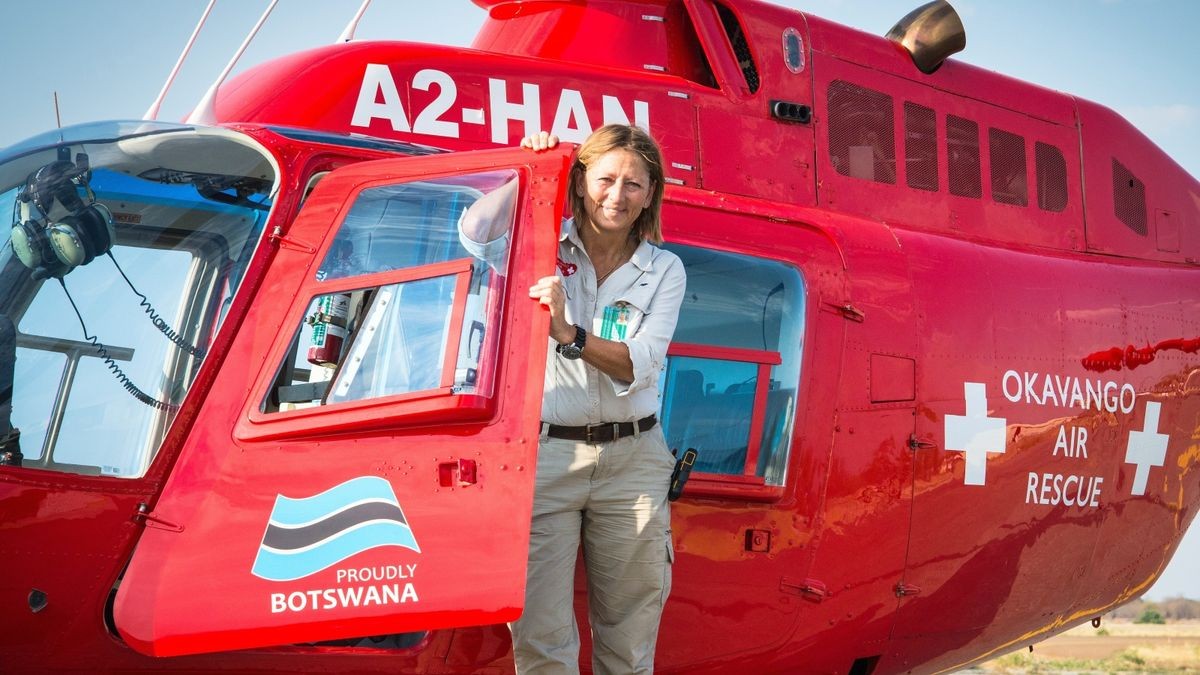
Okavango Air Rescue, often referred to as OAR, provides a vital emergency response service in the Okavango Delta and wider northern Botswana. OAR operates medically equipped helicopters with trained medical staff on board, allowing them to reach remote safari areas quickly and assist with urgent evacuations.
It is important to understand that OAR does not replace comprehensive travel insurance. Guests still need full medical and travel insurance when travelling on safari. Instead, OAR bridges the critical gap between an incident happening in the bush and the insurance process formally taking over.
In many emergency situations, insurance companies first require medical reports, doctor’s letters, approvals or guarantees of payment before they authorise an evacuation. As most insurance companies are not based locally, this can lead to delays, especially when guests are in remote safari areas with limited access.
This is where OAR makes such an important difference. Through its patronage system, OAR can act immediately. If an incident or accident occurs, OAR can facilitate a medical evacuation by helicopter, with medical staff on board, without first waiting for insurance approval. They then assist with the communication and coordination with the guest’s travel insurance afterwards.
The patronage fee is not an insurance premium and does not cover the actual cost of the medical evacuation. The evacuation costs are invoiced afterwards and should be claimed through the guest’s travel insurance. This is why proper insurance remains essential.
What the OAR patronage does provide is access to a local, medically staffed emergency response system that can act quickly when time matters most. In a remote wilderness environment, avoiding delays can be critical and, in some cases, potentially life saving.
For guests, OAR offers peace of mind. For agents and operators, it provides the reassurance that there is a professional team on the ground, ready to coordinate and manage the immediate emergency response. In a destination as remote and wild as the Okavango Delta, this additional layer of safety is invaluable.
OAR does not replace travel insurance. It makes travel insurance work better when it matters most, by ensuring that the emergency response can begin immediately, while the insurance process follows afterwards. For more information about OAR please visit their website: http://www.okavangorescue.com
